body { font-family: sans-serif; line-height: 1.6; }
h1, h2, h3 { color: #333; }
img { max-width: 100%; height: auto; }
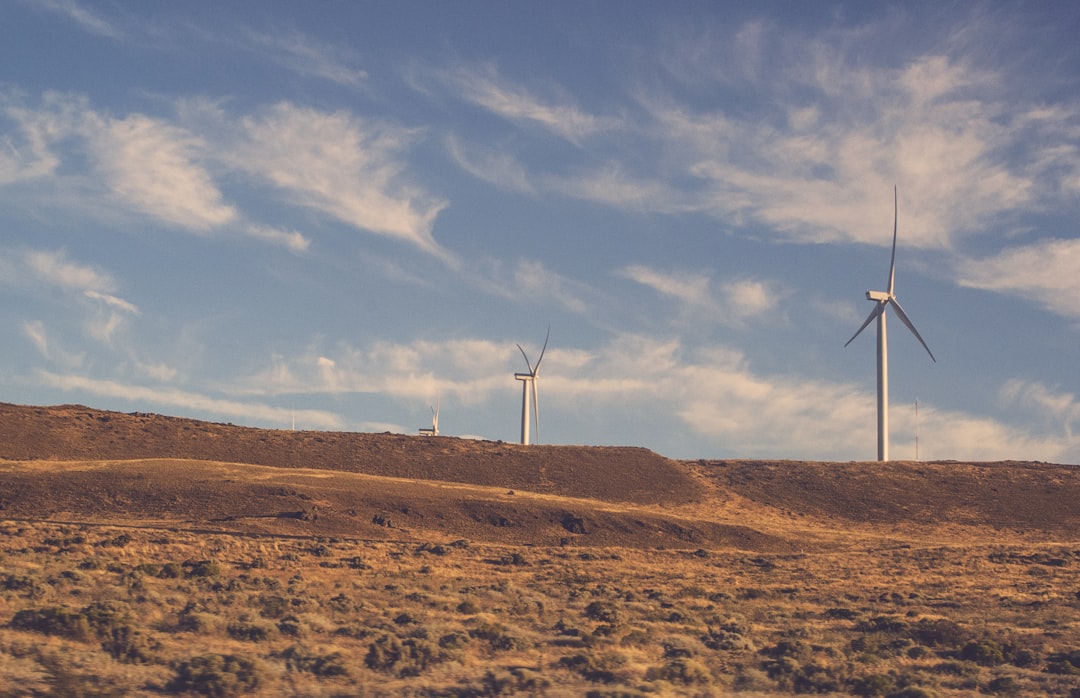
The global push towards renewable energy sources has propelled wind energy to the forefront. While the towering turbines are the most visible component, a critical, often overlooked element underpinning their functionality is the extensive use of steel profiles. From the robust tower structures to the intricate internal components, steel profiles provide the strength, durability, and precision necessary for efficient and reliable wind energy generation. This post delves into the multifaceted role of steel profiles in wind energy projects.
1. Steel Profiles in Wind Turbine Towers: The Foundation of Power
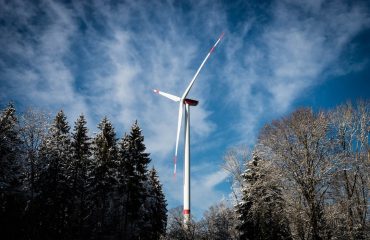
The wind turbine tower is arguably the most demanding application for steel profiles. These towers, often reaching heights exceeding 100 meters, must withstand immense forces from wind loads, turbine weight, and environmental stresses. The choice of steel profile is crucial here. High-strength low-alloy (HSLA) steels are frequently employed due to their superior strength-to-weight ratio, allowing for taller towers with reduced material usage. Common profile types include tubular sections (round, square, or rectangular), which offer excellent resistance to bending and torsional forces. These profiles are often fabricated using advanced techniques like welding and hot-rolled forming to ensure structural integrity and precise dimensions.
The design process for these towers involves sophisticated finite element analysis (FEA) simulations to predict stress distribution and optimize the profile selection and tower geometry. This ensures that the tower can safely withstand extreme weather conditions while minimizing material costs and maximizing energy output.
2. Internal Components: Precision Steel for Optimal Performance
Beyond the tower, steel profiles play a vital role in numerous internal components of wind turbines. These include the nacelle frame, which houses the gearbox, generator, and other critical components. The nacelle requires a rigid and robust structure to withstand the dynamic forces generated during operation. Here, welded steel box sections and other complex profiles are frequently used. Their high stiffness and strength are essential for maintaining the precise alignment of the internal machinery and ensuring smooth operation.
Furthermore, steel profiles are used in the construction of the blade pitch system, which controls the angle of the turbine blades to optimize energy capture. The precise movement and stability of this system rely on high-quality steel components with tight tolerances.
3. Manufacturing Processes: Shaping Steel for Wind Energy
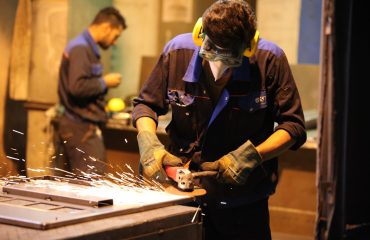
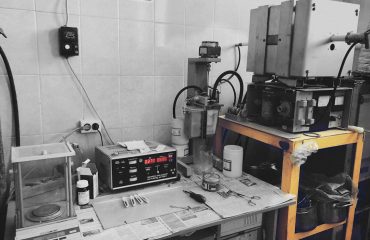
The manufacturing of steel profiles for wind energy applications demands high precision and quality control. Modern steel mills employ advanced rolling and forming techniques to create the required profiles. Hot-rolled processes are common for larger sections, while cold-formed processes are used for smaller, more intricate components. These processes are often followed by welding, machining, and surface treatment to ensure the final product meets stringent quality standards.
The use of automated welding systems and robotic machinery is becoming increasingly prevalent to enhance efficiency, reduce production costs, and improve the consistency of welds. Regular quality checks throughout the manufacturing process are crucial to guarantee the structural integrity and longevity of the steel profiles.
4. Challenges and Innovations in Steel Profile Usage
Despite the widespread use of steel profiles, challenges remain. One major concern is corrosion, particularly in offshore wind farms exposed to harsh marine environments. Protective coatings, such as galvanization or specialized paints, are essential to extend the lifespan of steel components. Furthermore, the increasing demand for larger and taller wind turbines necessitates the development of even stronger and lighter steel alloys.
Research and development efforts are focused on advanced high-strength steels with improved corrosion resistance and enhanced fatigue properties. The use of innovative joining techniques, such as friction stir welding, also holds promise for improving the efficiency and strength of welded joints in large-scale structures.
5. The Future of Steel Profiles in Wind Energy: Sustainability and Efficiency
The future of steel profiles in wind energy is inextricably linked to sustainability and efficiency. The industry is actively exploring ways to reduce the environmental impact of steel production through the use of recycled steel and the development of more energy-efficient manufacturing processes. Furthermore, ongoing research aims to optimize the design of steel profiles to minimize material usage while maintaining structural integrity. This involves utilizing advanced simulation techniques and exploring new steel alloys with superior strength-to-weight ratios.
The integration of smart sensors and monitoring systems into wind turbine structures is also gaining traction. These systems can provide real-time data on stress levels and structural health, enabling predictive maintenance and potentially extending the lifespan of steel components. This contributes to a more sustainable and cost-effective wind energy industry.
In conclusion, steel profiles are an indispensable element in the construction and operation of wind turbines. Their strength, durability, and versatility make them crucial for the continued growth and success of wind energy as a major renewable energy source. As the industry continues to evolve, the development and application of innovative steel profiles will be key to achieving greater efficiency, sustainability, and cost-effectiveness.
SEO Tags:
- Steel profiles
- Wind turbine towers
- Wind energy
- Renewable energy
- Steel construction