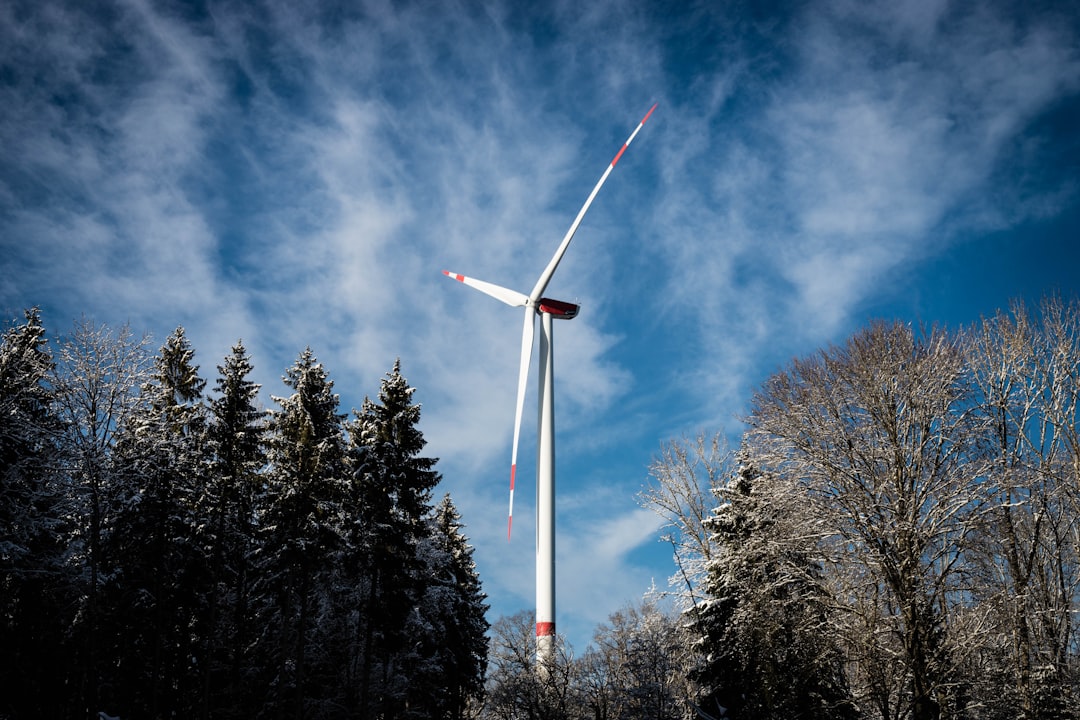
The global push towards renewable energy sources has propelled wind energy to the forefront. Behind the majestic sweep of wind turbine blades lies a crucial element often overlooked: the robust network of steel profiles. These seemingly simple structures are the backbone of wind turbine construction, ensuring stability, strength, and longevity in the face of challenging environmental conditions. This post delves into the multifaceted role of steel profiles in wind energy projects, exploring their types, applications, manufacturing processes, and future prospects.
1. The Foundation of Strength: Steel Profiles in Wind Turbine Towers
Wind turbine towers are subjected to immense forces – the constant pressure of wind, the weight of the nacelle and rotor, and the stresses of varying weather conditions. These towers, typically reaching heights exceeding 100 meters, rely heavily on steel profiles for their structural integrity. Commonly used profiles include hollow sections (CHS and RHS), which offer a high strength-to-weight ratio, crucial for minimizing material usage and transportation costs. These sections are often welded together to create the tower’s cylindrical or conical shape. The specific profile chosen depends on factors such as tower height, wind load calculations, and soil conditions at the installation site. Advanced finite element analysis (FEA) is often employed to optimize the design and ensure maximum efficiency and safety.
2. Precision Engineering: Manufacturing Processes for Wind Turbine Steel Profiles
The manufacturing of steel profiles for wind turbine applications requires exceptional precision and quality control. Processes like hot-rolled forming, cold-rolled forming, and welding are crucial. Hot-rolled forming allows for the creation of larger profiles with significant strength, while cold-rolled forming offers greater dimensional accuracy and surface finish. Advanced welding techniques, such as robotic welding, ensure consistent and high-quality joints, vital for the overall structural integrity of the tower and other components. Stringent quality checks, including ultrasonic testing and visual inspections, are performed at each stage of the manufacturing process to guarantee the profiles meet the demanding requirements of the wind energy industry.
3. Beyond the Tower: Steel Profiles in Nacelles and Blade Support Structures
Steel profiles aren’t limited to the tower; they play a critical role in the nacelle (the housing unit at the top of the tower) and blade support structures. Within the nacelle, steel profiles are used to create the internal framework, supporting the gearbox, generator, and other vital components. The yaw system, responsible for orienting the turbine towards the wind, also utilizes steel profiles for its robust mechanical structure. Furthermore, steel profiles are incorporated into the blade support system, ensuring the blades are securely attached to the hub and can withstand the immense forces generated during operation. The precision and strength of these profiles are essential for efficient energy conversion and overall turbine performance.
4. Material Selection and Optimization: Choosing the Right Steel for Wind Energy
The selection of steel for wind turbine components is a crucial aspect of the design process. Factors such as yield strength, tensile strength, fatigue resistance, and corrosion resistance are all carefully considered. High-strength low-alloy (HSLA) steels are frequently employed due to their excellent combination of strength and weldability. Weathering steels, which develop a protective rust layer, are also gaining popularity, reducing the need for extensive coatings and maintenance. The choice of steel grade also depends on the specific application and environmental conditions. For example, offshore wind turbines require steels with enhanced corrosion resistance to withstand the harsh marine environment.
5. The Future of Steel in Wind Energy: Innovation and Sustainability
The wind energy industry is constantly evolving, and steel continues to play a pivotal role in this advancement. Research and development efforts are focused on developing even stronger, lighter, and more corrosion-resistant steel grades. Advanced manufacturing techniques, such as additive manufacturing (3D printing), are being explored to create complex and optimized steel profiles. Furthermore, the industry is focusing on sustainable practices, including the use of recycled steel and the development of more efficient manufacturing processes to minimize environmental impact. As wind turbines grow larger and more powerful, the demand for high-performance steel profiles will only increase, driving further innovation and sustainability in the sector.
In conclusion, steel profiles form the very foundation of modern wind energy infrastructure. Their strength, precision, and versatility are indispensable for the efficient and reliable operation of wind turbines. As the demand for renewable energy continues to grow, the importance of steel in this vital sector will only intensify, driving further innovation and shaping the future of clean energy.
SEO Tags:
Steel profiles, wind turbine, wind energy, renewable energy, steel construction