Winter’s harsh conditions – freezing temperatures, snow, ice, and de-icing salts – can wreak havoc on unprotected metal. But galvanized products, with their zinc coating, offer superior protection and longevity even in the coldest climates. This post delves into the specific performance characteristics of galvanized materials in cold weather, helping you understand why they’re the ideal choice for a range of outdoor applications.
Unwavering Corrosion Resistance in Freezing Temperatures
The primary benefit of galvanization is its exceptional corrosion resistance. The zinc coating acts as a sacrificial anode, protecting the underlying steel from rust and degradation. While some might assume that freezing temperatures accelerate corrosion, the opposite is often true. Low temperatures slow down the electrochemical reactions that cause rust. However, the presence of moisture and de-icing salts is crucial. Galvanization effectively prevents these corrosive agents from reaching the base metal, even when ice and snow are present. The zinc coating remains intact, safeguarding the structure’s integrity throughout the winter months and beyond. The thickness of the zinc coating is directly proportional to the level of protection offered; thicker coatings provide superior resistance to corrosion in harsh environments.
Withstanding the Impact of Snow and Ice Buildup
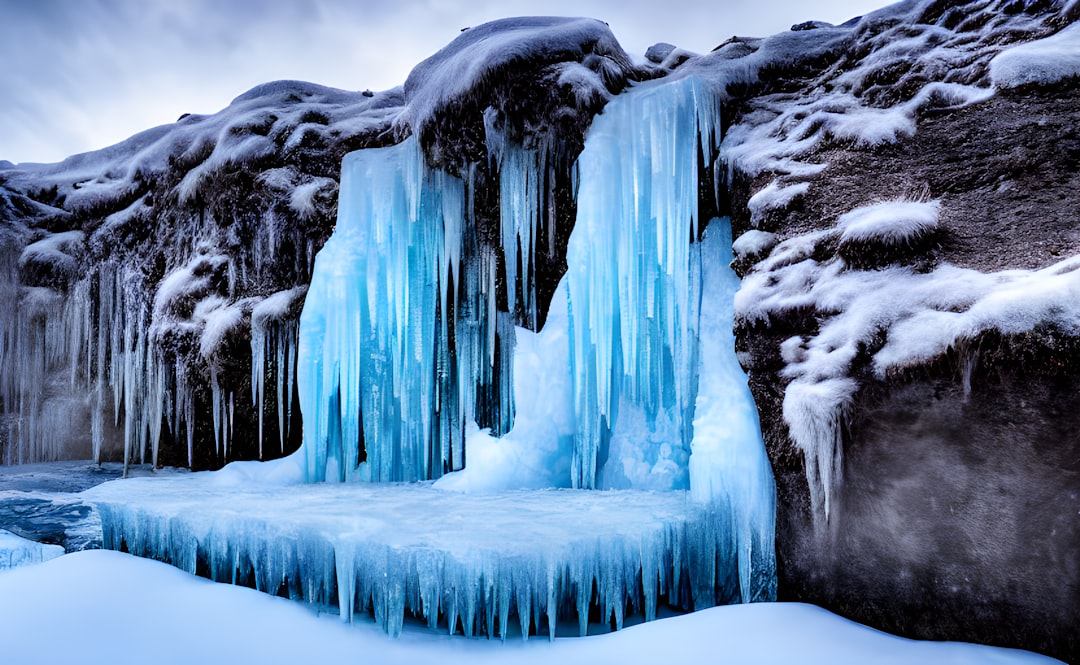
The weight of accumulated snow and ice can place considerable stress on structures. Galvanized steel, known for its high tensile strength, effectively handles these loads. The zinc coating also provides a relatively smooth surface, reducing the adhesion of ice and snow, making it easier to remove accumulations. While the weight of heavy snow and ice can still cause damage, galvanized materials offer superior resistance to bending and deformation compared to unprotected steel, minimizing the risk of structural failure. Proper design and installation are crucial, alongside the choice of galvanized steel, to ensure the structure can withstand the stresses imposed by winter weather. Consider using heavier gauge galvanized steel in areas expecting significant snow accumulation.
Understanding Thermal Expansion and Contraction
Significant temperature fluctuations between day and night in cold climates lead to thermal expansion and contraction of materials. Galvanized steel, like other metals, undergoes these changes. However, the zinc coating doesn’t significantly affect the material’s thermal expansion properties. Understanding this is crucial for proper design and installation. Expansion joints and other design considerations can mitigate the potential for stress cracks or damage caused by repeated expansion and contraction cycles. Using appropriate fasteners and allowing for movement can prevent issues related to thermal stress, ensuring the longevity of the galvanized structure.
Essential Maintenance for Optimal Performance in Cold Climates
While galvanization offers exceptional protection, minimal maintenance can prolong the lifespan of galvanized products even further. Regular inspections for any signs of damage, such as scratches or exposed steel, are recommended. Small scratches can be touched up with zinc-rich paint to restore the protective layer. Removal of ice and snow should be done carefully to avoid damaging the coating. Avoid using abrasive tools or harsh chemicals that can compromise the zinc layer. For larger structures, professional inspections might be necessary to ensure structural integrity and address any potential issues early on.
Choosing the Right Galvanized Material for Your Cold Climate Project
The choice of galvanized material depends on the specific application and the severity of the cold climate. Factors to consider include the thickness of the zinc coating (measured in ounces per square foot), the gauge of the steel (thicker gauges are stronger), and the type of galvanization (hot-dip galvanizing offers superior protection compared to electro-galvanizing). For extremely harsh environments with heavy snowfall, ice, and frequent de-icing salt usage, a heavier gauge steel with a thicker zinc coating is recommended. Consult with a materials specialist or engineer to determine the most appropriate galvanized material for your project to ensure optimal performance and longevity in the cold.
In conclusion, galvanized products offer a robust and reliable solution for various applications in cold climates. Their exceptional corrosion resistance, high strength, and ability to withstand the impacts of snow and ice make them a superior choice compared to unprotected steel. By understanding the factors discussed above and implementing appropriate maintenance practices, you can ensure the long-term performance and durability of your galvanized structures, even in the harshest winter conditions.
Tags: galvanized steel, cold climate, corrosion resistance, winter protection, snow and ice, thermal expansion, maintenance