body { font-family: sans-serif; line-height: 1.6; }
h1, h2, h3 { color: #333; }
img { max-width: 100%; height: auto; }
Railways, the backbone of efficient transportation, rely heavily on a robust and resilient material: steel. From the tracks that guide trains to the bridges that span valleys and the rolling stock that carries passengers and freight, steel plays a pivotal role in ensuring the safety, efficiency, and longevity of railway infrastructure. This comprehensive guide delves into the multifaceted relationship between steel and railways, exploring its diverse applications and the ongoing challenges faced in its implementation and maintenance.
The Backbone of Rail: Steel Rails and Track Systems
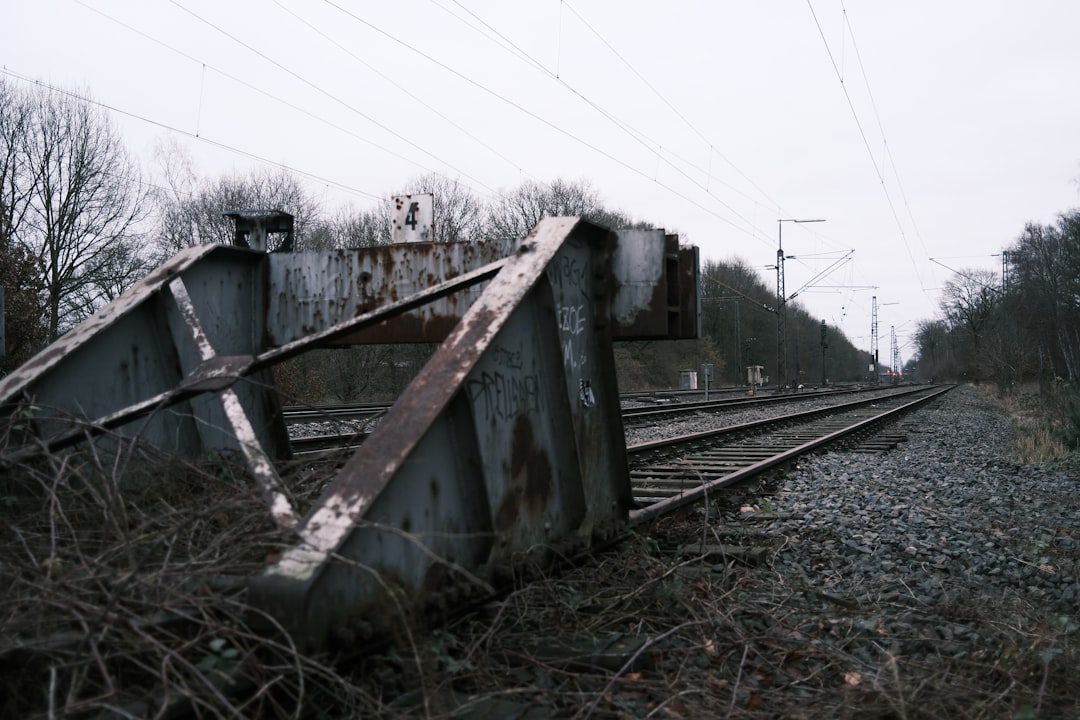
The most obvious application of steel in railway infrastructure is in the rails themselves. These long, continuous steel beams form the foundation upon which trains travel. The type of steel used is crucial, needing to withstand immense pressure, friction, and fatigue over millions of cycles. High-carbon steel, often alloyed with manganese and other elements, is commonly employed due to its high strength and wear resistance. The manufacturing process involves careful control of composition and heat treatment to achieve the desired mechanical properties. Furthermore, the design of the rail itself, including its shape and cross-sectional area, is optimized to distribute weight and minimize wear. Beyond the rails, steel is also integral to the sleepers (ties) that support the rails, often using steel fasteners to secure them to the ballast and substructure. The correct installation and maintenance of these steel components are vital for ensuring the safety and efficiency of the track.
Steel Bridges: Spanning the Gaps in Railway Networks
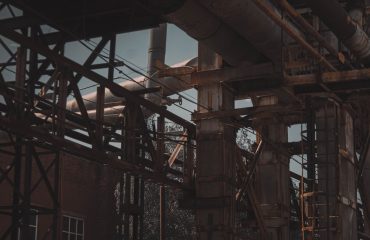
Railway lines often traverse challenging terrains, necessitating the construction of bridges. Steel plays a dominant role in bridge construction, offering high strength-to-weight ratios and the capacity to span significant distances. Various steel bridge designs exist, including girder bridges, truss bridges, and arch bridges, each tailored to specific site conditions and load requirements. The fabrication and erection of these steel structures require precision engineering and skilled labor. Regular inspection and maintenance are crucial to detect and address any potential corrosion or structural damage, ensuring the long-term integrity and safety of these critical components of the railway network. Advanced techniques, such as using high-strength low-alloy (HSLA) steel, are employed to reduce weight and improve durability, leading to more cost-effective and sustainable bridge construction.
Steel in Rolling Stock: Strength, Safety, and Efficiency
Steel forms the skeletal structure of most railway rolling stock, including locomotives, passenger carriages, and freight wagons. Its strength and durability are essential for protecting passengers and cargo during transit. High-strength steel alloys are frequently used to minimize weight while maintaining structural integrity, enhancing fuel efficiency and reducing operational costs. The design and manufacturing processes involve advanced techniques like welding and stress relieving to ensure the structural soundness of the rolling stock. Furthermore, steel plays a crucial role in safety features, such as crash barriers and underframe components designed to absorb impact energy in the event of a collision.
Signaling and Safety Systems: Steel’s Role in Precision and Reliability
The safe and efficient operation of railways relies heavily on sophisticated signaling and safety systems. While electronic components are central to these systems, steel plays a supporting role in providing robust housing and infrastructure. Steel poles and structures support signal lights and equipment, ensuring their visibility and stability. Steel components are also used in the construction of level crossings, providing durable and reliable barriers to protect road users. The robustness and longevity of these steel structures are critical for maintaining the safety and efficiency of the railway network.
Maintenance and Challenges: Corrosion and its Mitigation
Despite its strength and durability, steel is susceptible to corrosion, particularly in environments with high humidity or salinity. This poses a significant challenge to the maintenance of railway infrastructure. Various corrosion mitigation techniques are employed, including protective coatings (paints, galvanizing), cathodic protection, and the use of corrosion-resistant steel alloys. Regular inspection and timely maintenance are essential to detect and address corrosion before it compromises the structural integrity of steel components. The cost of corrosion prevention and repair is substantial, highlighting the importance of proactive maintenance strategies to ensure the long-term sustainability of railway infrastructure.
In conclusion, steel’s integral role in railway infrastructure is undeniable. From the tracks beneath the trains to the bridges spanning vast distances, and even the intricate signaling systems, steel provides the strength, durability, and reliability necessary for a safe and efficient railway network. Ongoing research and development in steel technology continue to push the boundaries of performance, leading to more sustainable and cost-effective railway systems for the future.
SEO Tags:
- Railway Steel
- Steel in Railway Infrastructure
- Railway Track Steel
- Steel Bridge Construction Railway
- Railway Steel Corrosion