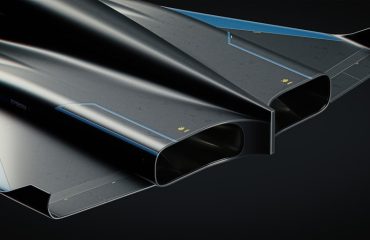
In a world of constant vibration, impact, and unforeseen shocks, the reliability of connections is paramount. From aerospace engineering to earthquake-resistant structures, the need for robust and dependable shock-resistant connection systems is undeniable. This comprehensive guide delves into the intricacies of these vital systems, exploring their design, applications, and future advancements.
The Crucial Role of Shock-Resistant Connections Across Industries
Shock-resistant connection systems are not a niche technology; they are essential components in a vast array of industries. In aerospace, they ensure the integrity of aircraft structures during turbulent flights and landings. In automotive manufacturing, they safeguard vital components from the shocks and vibrations inherent in vehicle operation. Seismic engineering relies heavily on these systems to protect buildings and infrastructure from earthquakes. Even in consumer electronics, shock-resistant connectors protect delicate internal components from damage during drops and impacts. The applications are vast and diverse, highlighting the critical role these systems play in ensuring safety, reliability, and longevity across various sectors.
Types of Shock-Resistant Connection Systems: A Comprehensive Overview
Several types of shock-resistant connection systems exist, each tailored to specific applications and requirements. These include:
- Bolted Connections with Vibration Dampeners: These systems utilize high-strength bolts combined with elastomeric dampeners or specialized washers to absorb shock and vibration. The dampeners dissipate energy, preventing it from being transferred to the connected components.
- Welded Connections: Welding provides a permanent, highly robust connection, ideal for applications requiring extreme strength and resistance to shock. However, the design must carefully consider potential stress concentrations and fatigue.
- Spring-Loaded Connections: These systems incorporate springs to accommodate movement and absorb impact energy. They are commonly used in applications where relative movement between connected components is expected.
- Interlocking Systems: These systems rely on intricate interlocking designs to provide high strength and resistance to shock and vibration. They often incorporate multiple points of contact to distribute the load and enhance stability.
- Advanced Composites and Adhesives: Modern materials science offers advanced composite materials and high-strength adhesives capable of forming shock-resistant connections. These offer lightweight and customizable solutions for diverse applications.
Design Considerations for Optimal Shock Resistance
Designing effective shock-resistant connection systems requires meticulous attention to detail. Key considerations include:
- Material Selection: The choice of materials is crucial. High-strength materials like steel alloys, titanium, and advanced composites are often preferred for their ability to withstand high stresses and impacts.
- Geometric Design: The geometry of the connection plays a critical role in distributing loads and minimizing stress concentrations. Optimized designs can significantly improve shock resistance.
- Surface Treatment: Surface treatments such as coatings and plating can enhance corrosion resistance and reduce friction, contributing to the overall durability and performance of the connection.
- Finite Element Analysis (FEA): FEA simulations are indispensable tools for predicting the behavior of connection systems under various load conditions. These simulations help optimize designs and ensure they meet the required shock resistance specifications.
- Redundancy and Fail-Safe Mechanisms: Incorporating redundant connections or fail-safe mechanisms can enhance the overall reliability of the system, ensuring that failure in one component doesn’t compromise the entire structure.
Rigorous Testing Methodologies: Ensuring Performance and Reliability
Thorough testing is essential to verify the performance and reliability of shock-resistant connection systems. Common testing methods include:
- Impact Testing: Impact tests simulate real-world impacts by subjecting the connection to controlled impacts of varying magnitudes. This helps determine the system’s ability to withstand sudden shocks.
- Vibration Testing: Vibration tests expose the connection to controlled vibrations of different frequencies and amplitudes. This assesses its resistance to prolonged vibrations and fatigue.
- Fatigue Testing: Fatigue tests determine the connection’s ability to withstand repeated cycles of loading and unloading, simulating long-term use under stress.
- Environmental Testing: Environmental tests evaluate the connection’s performance under various environmental conditions, such as extreme temperatures, humidity, and corrosive environments.
- Accelerated Life Testing: Accelerated life testing uses accelerated stress conditions to simulate years of use in a shorter timeframe. This helps predict the system’s long-term reliability.
Future Trends in Shock-Resistant Connection Systems
The field of shock-resistant connection systems is constantly evolving. Future trends include:
- Smart Connections: Integrating sensors and monitoring systems into connections to provide real-time feedback on their condition and performance. This allows for predictive maintenance and enhances safety.
- Advanced Materials: The development and application of novel materials with enhanced strength, durability, and shock-absorbing properties will continue to drive innovation in this field.
- Additive Manufacturing: 3D printing offers the potential to create highly customized and optimized connection designs with complex geometries not achievable through traditional manufacturing methods.
- Self-Healing Materials: Research into self-healing materials offers the possibility of creating connections that can automatically repair minor damage, extending their lifespan and enhancing reliability.
- Bio-Inspired Designs: Learning from nature’s ingenious designs, such as the intricate structures found in bone and other biological materials, can inspire the development of novel shock-resistant connection systems.
In conclusion, shock-resistant connection systems are crucial for ensuring the safety, reliability, and longevity of structures and devices across numerous industries. Ongoing research and development in materials science, design methodologies, and testing techniques are continuously improving the performance and capabilities of these essential components.
Tags: Shock-resistant connectors, vibration dampeners, seismic connections, impact resistant fasteners, connection system design