body { font-family: sans-serif; line-height: 1.6; }
h1, h2, h3 { color: #333; }
img { max-width: 100%; height: auto; }
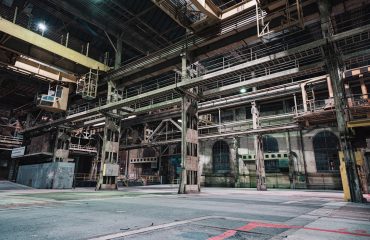
Industrial steel frame construction is revolutionizing the way we build large-scale structures. From sprawling warehouses to towering manufacturing plants, steel’s strength, durability, and versatility are making it the material of choice for numerous projects worldwide. This comprehensive guide delves into the key aspects of industrial steel frame projects, exploring their design, construction, advantages, diverse applications, and future trends.
The Design Process: Precision and Planning in Steel Frame Construction
Designing an industrial steel frame project requires meticulous planning and precision. The process begins with a thorough understanding of the project’s requirements, including the intended use, size, load-bearing capacity, and environmental considerations. Experienced engineers utilize advanced software to create detailed 3D models, ensuring optimal structural integrity and efficiency. These models allow for precise calculations of steel member sizes, connections, and overall stability. Detailed drawings are then produced, specifying every aspect of the steel frame, including the type of steel, its grade, and the necessary connections. This rigorous design phase is crucial for ensuring the safety, longevity, and cost-effectiveness of the final structure.
Construction Techniques: Erecting Steel Frames Efficiently and Safely
The construction of an industrial steel frame project is a highly coordinated and efficient process. Pre-fabricated steel components, often manufactured off-site, are transported to the construction site and assembled using heavy machinery, such as cranes and forklifts. This modular approach significantly reduces construction time compared to traditional methods. Safety is paramount throughout the construction process. Rigorous safety protocols and procedures are implemented to protect workers from potential hazards associated with working at heights and handling heavy materials. Experienced crews work collaboratively to ensure precise assembly and adherence to the design specifications. Regular inspections and quality control measures are performed to guarantee the structural integrity and safety of the building throughout the construction process.
Advantages of Steel Frame Construction: Strength, Durability, and Cost-Effectiveness
Industrial steel frame construction offers numerous advantages over traditional methods. Steel’s exceptional strength-to-weight ratio allows for the creation of large, open spaces without the need for numerous supporting columns. This results in greater flexibility in design and layout, maximizing usable space. Steel structures are incredibly durable and resistant to various environmental factors, including fire, earthquakes, and high winds. Furthermore, steel is a highly recyclable material, promoting sustainability and reducing environmental impact. While the initial cost of steel may be slightly higher, the speed of construction, reduced labor costs, and long-term durability often result in significant cost savings over the project’s lifespan.
Applications of Industrial Steel Frame Projects: A Wide Range of Possibilities
The versatility of industrial steel frame construction makes it suitable for a wide range of applications. Common uses include:
- Warehouses and Distribution Centers: Steel frames provide the necessary strength and open floor plans for efficient storage and handling of goods.
- Manufacturing Plants: The ability to customize the layout and incorporate heavy machinery makes steel frames ideal for manufacturing facilities.
- Commercial Buildings: From retail spaces to office buildings, steel frames offer a cost-effective and aesthetically pleasing solution.
- Agricultural Structures: Steel barns and sheds provide durable and weather-resistant housing for livestock and equipment.
- High-Rise Buildings: Modern steel construction techniques enable the creation of tall and slender structures with exceptional stability.
Future Trends in Industrial Steel Frame Projects: Innovation and Sustainability
The future of industrial steel frame construction is marked by innovation and a growing emphasis on sustainability. Advances in steel technology are leading to the development of stronger, lighter, and more corrosion-resistant materials. The integration of Building Information Modeling (BIM) and other digital technologies is improving design efficiency and accuracy. Furthermore, there’s a growing focus on sustainable practices, including the use of recycled steel and the implementation of energy-efficient design strategies to minimize the environmental impact of these projects. Innovative techniques like pre-engineered steel buildings are gaining popularity for their speed, efficiency, and cost-effectiveness. The ongoing research and development in the field are constantly pushing the boundaries of what’s possible with steel frame construction.
In conclusion, industrial steel frame projects are a testament to the power and versatility of steel in modern construction. Their strength, durability, and cost-effectiveness, combined with ongoing technological advancements, make them an ideal solution for a wide range of applications. As we look to the future, we can expect even more innovative and sustainable approaches to steel frame construction, shaping the landscape of industrial buildings for years to come.