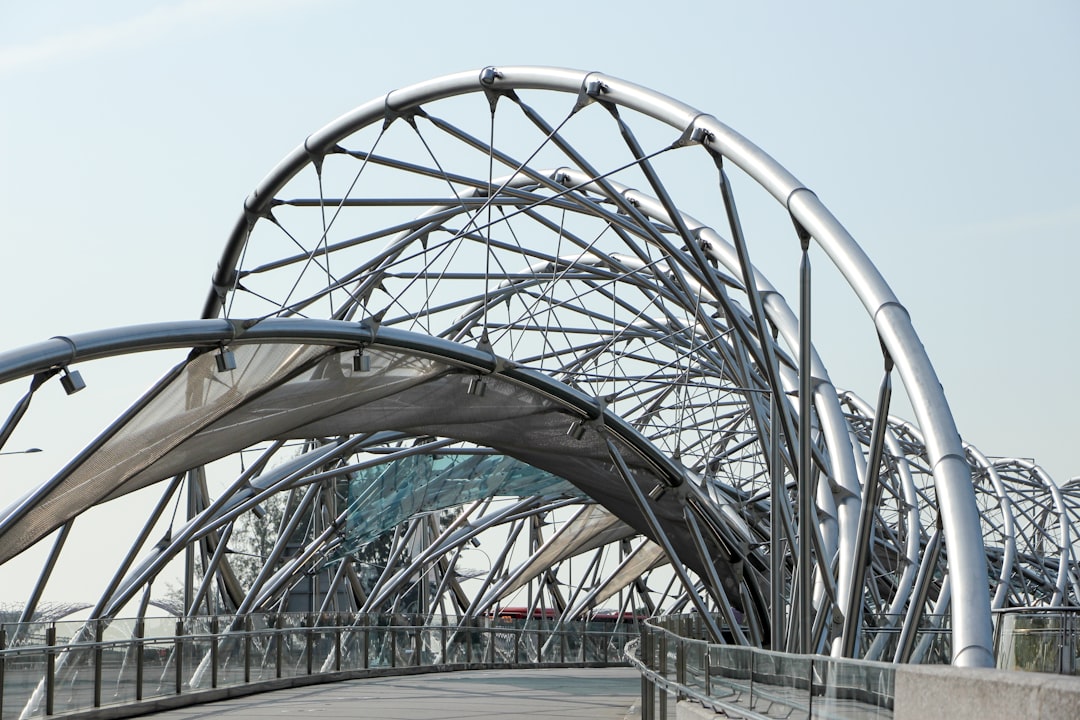
Industrial steel frame projects are transforming the landscape of modern construction. From sprawling warehouses to sleek manufacturing plants, the strength, durability, and cost-effectiveness of steel are revolutionizing how we build. This comprehensive guide delves into the intricacies of these projects, exploring their design, construction, benefits, applications, and future trends.
The Design Process: From Blueprint to Steel
Designing an industrial steel frame project requires meticulous planning and expertise. The process begins with a thorough understanding of the client’s needs, including the intended use of the building, its size, and any specific functional requirements. This information informs the structural engineer’s design, which involves calculations to determine the optimal size, shape, and arrangement of steel members to withstand anticipated loads (dead loads, live loads, wind loads, seismic loads). Advanced software like Finite Element Analysis (FEA) is frequently employed to model the structure’s behavior under various conditions, ensuring structural integrity and safety. Detailed drawings, including fabrication and erection diagrams, are then produced to guide the construction process. Consideration is given to factors such as material selection (different grades of steel offer varying strength and cost), connection design (bolted or welded connections), and fire protection requirements.
Construction Techniques: Building with Steel
The construction of industrial steel frame projects is a highly efficient process. Pre-fabrication plays a significant role, with steel members being fabricated off-site in controlled environments. This minimizes on-site construction time and reduces the impact of weather delays. Once fabricated, the steel components are transported to the construction site and erected using specialized equipment such as cranes and heavy-duty lifting gear. Precise measurements and alignment are crucial to ensure the structural integrity of the completed frame. The erection process often involves a team of skilled welders and ironworkers who connect the steel members according to the design specifications. Quality control checks are performed at every stage to guarantee adherence to standards and safety regulations. The construction also incorporates other building elements, such as cladding, roofing, and mechanical, electrical, and plumbing (MEP) systems.
Advantages of Steel Frame Construction: Strength, Speed, and Sustainability
Steel frame construction offers numerous advantages over traditional methods. Steel’s high strength-to-weight ratio allows for the construction of larger, more open spaces with fewer columns, maximizing usable floor area. The pre-fabrication process significantly reduces construction time, allowing for faster project completion and earlier occupancy. Steel is also highly recyclable, making it a sustainable choice for environmentally conscious developers. Furthermore, steel frames are incredibly durable and resistant to various environmental factors, ensuring a long lifespan with minimal maintenance. The flexibility of steel allows for easy modification and expansion of the structure in the future, accommodating changing business needs.
Applications Across Industries: Where Steel Shines
The versatility of industrial steel frame construction makes it suitable for a wide range of applications. Warehouses and distribution centers benefit from the large, unobstructed spaces that steel frames provide. Manufacturing plants utilize the strength and stability of steel to support heavy machinery and equipment. Agricultural facilities, such as barns and storage sheds, leverage steel’s durability and resistance to the elements. Commercial buildings, including retail spaces and office complexes, often incorporate steel frames for their aesthetic appeal and structural advantages. Even specialized structures like airports and stadiums can benefit from the unique properties of steel.
Future Trends in Industrial Steel Frame Projects: Innovation and Efficiency
The future of industrial steel frame projects is driven by innovation and a focus on efficiency. The integration of Building Information Modeling (BIM) technology is streamlining the design and construction process, improving accuracy and reducing errors. The development of advanced steel alloys with enhanced strength and durability is pushing the boundaries of what’s possible. Sustainable practices, such as using recycled steel and incorporating renewable energy sources, are becoming increasingly important. The use of pre-engineered steel buildings is gaining popularity due to their cost-effectiveness and rapid construction times. Automation and robotics are also playing a larger role in the fabrication and erection of steel structures, leading to increased efficiency and safety.
In conclusion, industrial steel frame projects represent a powerful and versatile approach to modern construction. Their strength, speed, sustainability, and adaptability are transforming industries and shaping the built environment. As technology continues to advance, we can expect even more innovative and efficient steel structures to emerge in the years to come.
Tags: Industrial Steel Frame, Steel Construction, Steel Building Design, Warehouse Construction, Manufacturing Facilities