The global demand for energy continues to rise, driving the construction of new power plants and the upgrading of existing ones. At the heart of this infrastructure lies a material crucial to both structural integrity and operational efficiency: steel. This post delves into the multifaceted role of steel in power plant integration, exploring its diverse applications, the specific steel grades employed, and the ongoing innovations shaping its future in this vital sector.
1. Steel’s Structural Backbone: Supporting the Powerhouse
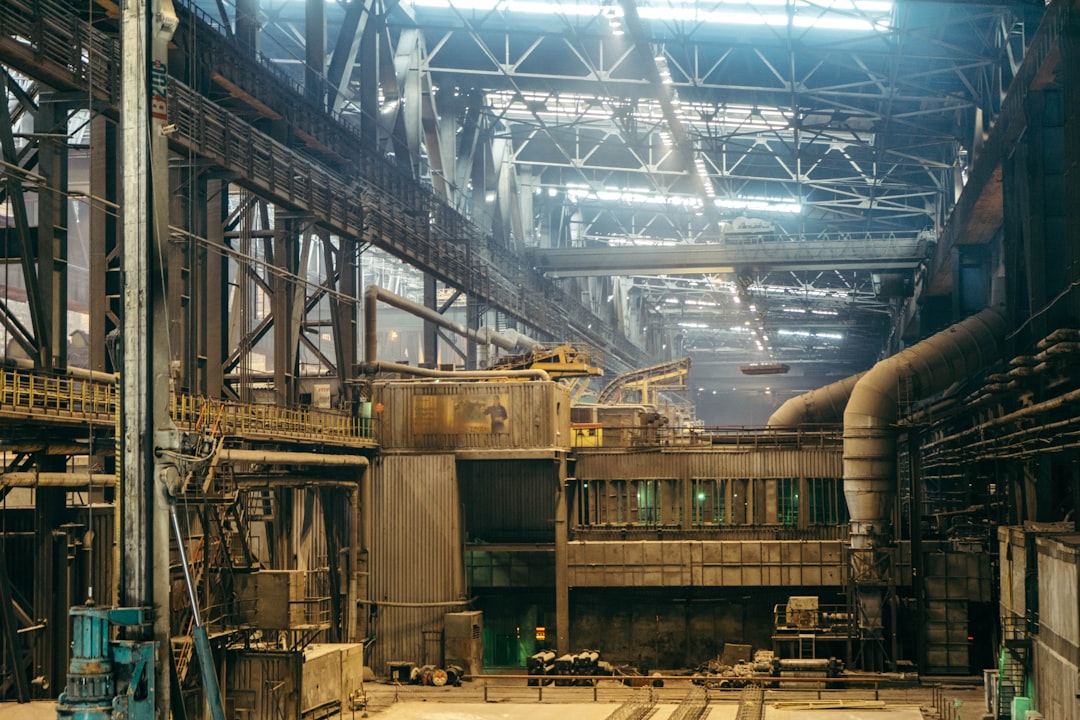
Power plants, regardless of their energy source (fossil fuel, nuclear, solar, wind), require robust and reliable structural frameworks. Steel’s high strength-to-weight ratio makes it an ideal material for constructing the plant’s skeleton. From the massive support structures of turbines and generators to the intricate framework of control rooms and ancillary buildings, steel provides the necessary strength and stability to withstand extreme conditions, including seismic activity and high winds. Welded steel structures are particularly advantageous due to their flexibility in design and construction, allowing for complex geometries and efficient use of space. The use of high-strength low-alloy (HSLA) steels further optimizes structural design, reducing the overall weight and material costs without compromising strength.
2. Heat Resistance and Corrosion Protection: Steel’s Role in Extreme Environments
Power plant environments are often characterized by extreme temperatures, pressures, and corrosive agents. This necessitates the use of specialized steel grades capable of withstanding these harsh conditions. In boilers and heat exchangers, for instance, high-temperature steels with excellent creep resistance are essential to maintain operational integrity. These steels often contain alloying elements like chromium, molybdenum, and vanadium, which enhance their resistance to oxidation and high-temperature degradation. Furthermore, protective coatings, such as zinc galvanization or specialized paints, are frequently applied to steel components to mitigate corrosion caused by moisture, chemicals, and atmospheric pollutants. Regular inspection and maintenance are crucial to ensure the long-term durability and safety of these steel components.
3. Piping and Pressure Vessels: Conveying Energy with Precision
Efficient energy transfer is paramount in power plant operation. Steel plays a critical role in this process, forming the backbone of the piping systems that transport steam, water, and other fluids throughout the plant. These pipes, often made from seamless or welded steel tubes, must withstand high pressures and temperatures without compromising integrity. Similarly, pressure vessels, used to store and contain high-pressure steam or gases, are typically constructed from heavy-gauge steel plates, meticulously welded and inspected to ensure leak-proof operation. The selection of appropriate steel grades for these applications is crucial, balancing strength, corrosion resistance, and weldability to guarantee safe and reliable operation.
4. Turbines and Generators: Harnessing Power with Steel Precision
The heart of any power plant lies in its turbines and generators, responsible for converting thermal or kinetic energy into electricity. Steel plays a pivotal role in the construction of these critical components. Turbine blades, for example, are often crafted from advanced alloys that possess exceptional strength, heat resistance, and fatigue resistance. These materials are carefully selected to withstand the high centrifugal forces and extreme temperatures generated during operation. Similarly, the stators and rotors of generators rely on high-quality steel for their structural integrity and magnetic properties. The precision manufacturing and quality control involved in producing these steel components are paramount to ensuring efficient and reliable power generation.
5. Sustainability and the Future of Steel in Power Plant Integration
The power generation sector is increasingly focused on sustainability and reducing its environmental impact. Steel, while a carbon-intensive material to produce, offers several advantages in this context. Its durability and recyclability contribute to a reduced environmental footprint compared to other construction materials. Furthermore, ongoing research and development efforts are focused on creating more sustainable steel production processes, including the use of recycled steel and the development of low-carbon steel grades. The integration of renewable energy sources like solar and wind power also necessitates robust steel structures for supporting panels and turbines, further highlighting the material’s enduring importance in the transition to a cleaner energy future. Innovations like advanced steel coatings and corrosion protection techniques are also contributing to longer service life and reduced maintenance costs, enhancing the overall sustainability of steel’s role in power plant infrastructure.
In conclusion, steel’s versatility, strength, and durability make it an indispensable material in the design, construction, and operation of modern power plants. From its structural foundation to the precision engineering of turbines and generators, steel ensures the efficient and reliable generation of energy that powers our world. As the energy sector continues to evolve, steel’s innovative applications and commitment to sustainability will remain crucial in meeting the world’s growing energy demands.
SEO Tags:
- Steel in Power Plant Construction
- Power Plant Steel Grades
- Steel for Energy Infrastructure
- Sustainable Steel in Power Generation
- Power Plant Structural Steel