body {
font-family: sans-serif;
line-height: 1.6;
}
h1, h2, h3 {
color: #333;
}
h1 {
font-size: 2.5em;
}
h2 {
font-size: 2em;
}
h3 {
font-size: 1.5em;
}
The steel industry, a cornerstone of global infrastructure development, is undergoing a significant digital transformation. At the heart of this transformation lies industrial networking, a critical technology that’s optimizing production processes, enhancing supply chain management, and driving overall efficiency. This post delves into the multifaceted role of industrial networking in the steel trade, exploring its key applications and the technologies that power it.
Optimizing Steel Production with Industrial Networks
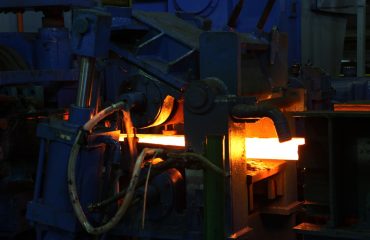
Steel production is a complex process involving numerous interconnected stages, from raw material handling to final product delivery. Traditional methods often relied on isolated systems, leading to inefficiencies and communication bottlenecks. Industrial networking technologies like Ethernet/IP, Profinet, and Modbus TCP have revolutionized this landscape. These networks enable seamless communication between Programmable Logic Controllers (PLCs), Supervisory Control and Data Acquisition (SCADA) systems, and other industrial devices, allowing for real-time monitoring and control of every aspect of the production process. This real-time data enables predictive maintenance, preventing costly downtime and optimizing resource allocation. For instance, sensors monitoring temperature and pressure in blast furnaces can transmit data to a central SCADA system, providing early warnings of potential issues and allowing for timely interventions.
Enhancing Supply Chain Visibility and Management
The steel supply chain is a global network involving multiple stakeholders – raw material suppliers, steel producers, processors, and end-users. Effective communication and coordination across this extended network are crucial for efficiency and profitability. Industrial networking plays a vital role here, enabling real-time tracking of materials, inventory management, and order fulfillment. Technologies like RFID and GPS, integrated with industrial networks, provide precise location tracking of materials throughout the supply chain. This enhanced visibility reduces lead times, minimizes inventory costs, and improves overall responsiveness to market demands. Furthermore, data analytics applied to this network data can identify bottlenecks and optimize logistics, leading to significant cost savings.
Implementing Robust Cybersecurity Measures in Steel Production Networks
The increasing reliance on interconnected systems in steel production also brings increased cybersecurity risks. Cyberattacks can disrupt operations, compromise sensitive data, and even cause physical damage to equipment. Robust cybersecurity measures are therefore essential. This includes implementing firewalls, intrusion detection systems, and robust access control mechanisms. Regular security audits and employee training on cybersecurity best practices are also crucial. Furthermore, the adoption of secure network protocols and encryption techniques is vital to protect data transmitted across the industrial network. The use of segmented networks can also limit the impact of a potential breach, isolating critical systems from less sensitive ones.
Leveraging the Internet of Things (IoT) in the Steel Industry
The Internet of Things (IoT) is rapidly transforming industrial operations, and the steel industry is no exception. IoT devices, such as smart sensors and actuators, generate vast amounts of data that can be used to optimize processes and improve decision-making. These devices, connected through industrial networks, provide real-time insights into various aspects of the production process, including equipment health, energy consumption, and product quality. This data can be analyzed using advanced analytics techniques to identify trends, predict failures, and optimize resource utilization. For example, IoT sensors monitoring the wear and tear of rolling mill components can predict maintenance needs, minimizing downtime and extending equipment lifespan.
The Future of Industrial Networking in Steel: Advanced Analytics and AI
The future of industrial networking in the steel industry is inextricably linked with the advancement of analytics and artificial intelligence (AI). The massive datasets generated by connected devices and systems offer immense potential for predictive maintenance, process optimization, and improved decision-making. AI-powered algorithms can analyze this data to identify patterns and anomalies that might be missed by human operators, leading to significant improvements in efficiency, safety, and sustainability. For example, AI can be used to optimize the chemical composition of steel alloys to achieve desired properties, reducing waste and improving product quality. Furthermore, AI-driven simulations can be used to optimize production processes before they are implemented in the real world, minimizing risks and maximizing efficiency.
In conclusion, industrial networking is not merely a technological advancement; it’s a fundamental enabler of efficiency, sustainability, and competitiveness in the steel trade. As technologies continue to evolve, the role of industrial networking will only become more critical in shaping the future of this vital industry.
SEO-Friendly Tags:
- Industrial Networking Steel
- Steel Industry Automation
- IoT in Steel Manufacturing
- Steel Supply Chain Management
- Industrial Network Security Steel