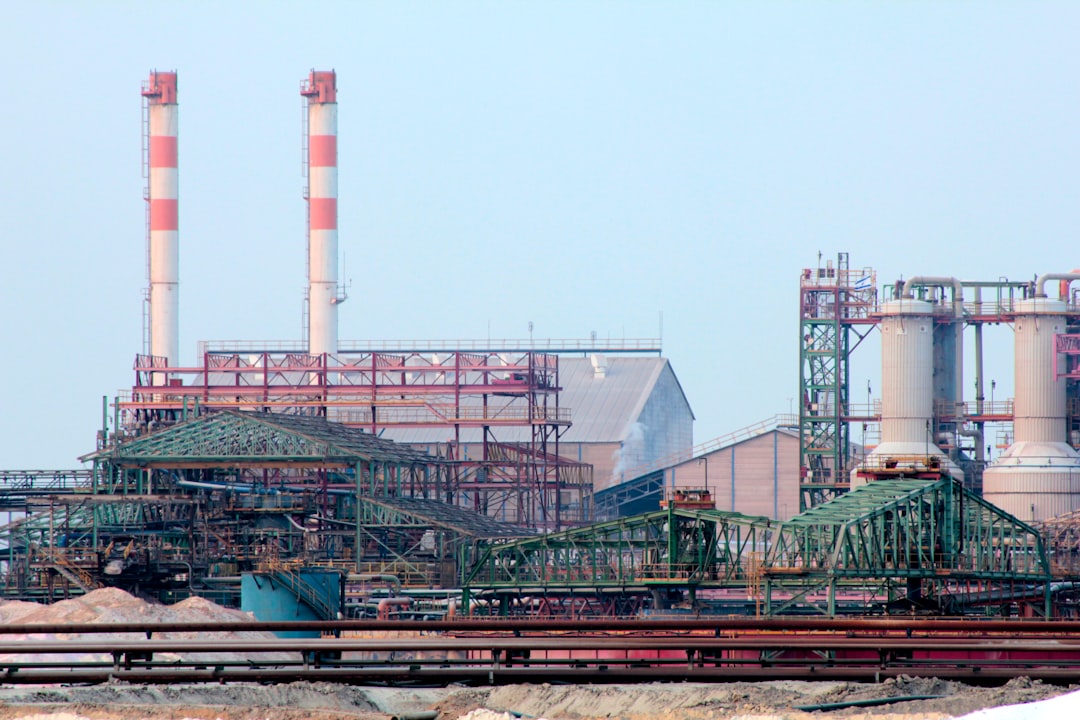
The steel industry is a cornerstone of modern civilization, but its significant carbon footprint poses a considerable challenge to global climate goals. Producing steel is inherently energy-intensive, relying heavily on fossil fuels for both the smelting process and energy generation. However, the urgent need to mitigate climate change necessitates a radical transformation of the steel industry, demanding the adoption of innovative technologies and sustainable practices. This post explores various strategies to significantly reduce the carbon footprint of steel factories.
1. Transitioning to Renewable Energy Sources
The most impactful change steel factories can implement is transitioning from fossil fuel-based energy sources to renewable alternatives. This involves replacing coal and natural gas used in blast furnaces and other energy-intensive processes with renewable energy like solar, wind, and hydropower. While the initial investment can be substantial, the long-term benefits in terms of reduced emissions and energy costs are substantial. Furthermore, integrating on-site renewable energy generation can enhance energy security and reduce reliance on volatile fossil fuel markets. This requires careful planning and integration with existing infrastructure, potentially involving the construction of large-scale renewable energy plants near the steel factory or the utilization of power purchase agreements (PPAs) to source renewable energy from the grid.
2. Implementing Carbon Capture, Utilization, and Storage (CCUS) Technologies
Carbon Capture, Utilization, and Storage (CCUS) technologies offer a crucial pathway to mitigate emissions from steel production. These technologies capture CO2 emissions from various points in the steelmaking process, preventing their release into the atmosphere. Captured CO2 can then be utilized in various industrial processes or securely stored underground in geological formations. While CCUS is still under development and faces technological and economic hurdles, its potential to significantly reduce steel’s carbon footprint is undeniable. Further research and development, along with government support and incentives, are crucial for accelerating the deployment of CCUS in the steel industry. The integration of CCUS requires significant capital investment and careful consideration of storage capacity and safety regulations.
3. Optimizing Steelmaking Processes for Efficiency
Beyond energy sources, optimizing the steelmaking process itself can significantly reduce emissions. This involves implementing advanced process control systems to minimize energy consumption and material waste. Innovations like electric arc furnaces (EAFs), which use electricity instead of coal for steelmaking, offer a substantial reduction in CO2 emissions compared to traditional blast furnaces. Furthermore, improving the efficiency of existing blast furnaces through better heat recovery and waste heat utilization can lead to considerable energy savings. Adopting advanced modeling and simulation techniques can help optimize the entire steelmaking process, leading to further reductions in both energy consumption and emissions.
4. Embracing a Circular Economy Approach to Steel Recycling
Steel is inherently recyclable, and maximizing steel scrap utilization is crucial for reducing the industry’s carbon footprint. A circular economy approach involves prioritizing the recycling of steel scrap, reducing the need for virgin iron ore production, which is a highly energy-intensive process. Investing in advanced recycling technologies can increase the quality and quantity of recyclable steel scrap. This includes developing efficient sorting and processing facilities, as well as refining technologies to handle complex steel scrap mixtures. Promoting the collection and reuse of steel scrap through incentivized programs and extended producer responsibility schemes can further boost recycling rates.
5. Policy and Regulatory Support for Green Steel Initiatives
Government policies and regulations play a vital role in driving the transition to a more sustainable steel industry. Carbon pricing mechanisms, such as carbon taxes or emissions trading schemes, can incentivize steel producers to reduce their emissions. Investing in research and development of green steel technologies is also essential. Government support can also include providing subsidies for renewable energy adoption, CCUS deployment, and steel recycling infrastructure development. Furthermore, clear and consistent environmental regulations can ensure that all steel producers adhere to stringent emission standards. Harmonized international standards and policies are crucial to level the playing field and encourage global adoption of sustainable steel production practices.
Reducing the carbon footprint of steel factories requires a multi-faceted approach involving technological innovation, process optimization, and supportive policies. By embracing these strategies, the steel industry can forge a greener future, contributing significantly to global climate change mitigation efforts while maintaining its crucial role in modern society.
SEO-Friendly Tags:
- Green Steel
- Sustainable Steel Production
- Carbon Footprint Reduction
- Steel Industry Sustainability
- Renewable Energy in Steelmaking